
The weeks after a discharge
The hospital sends you home. Then what?
Live-in support through the first weeks back, when confidence is low, the house feels bigger than it did, and another fall is most likely.
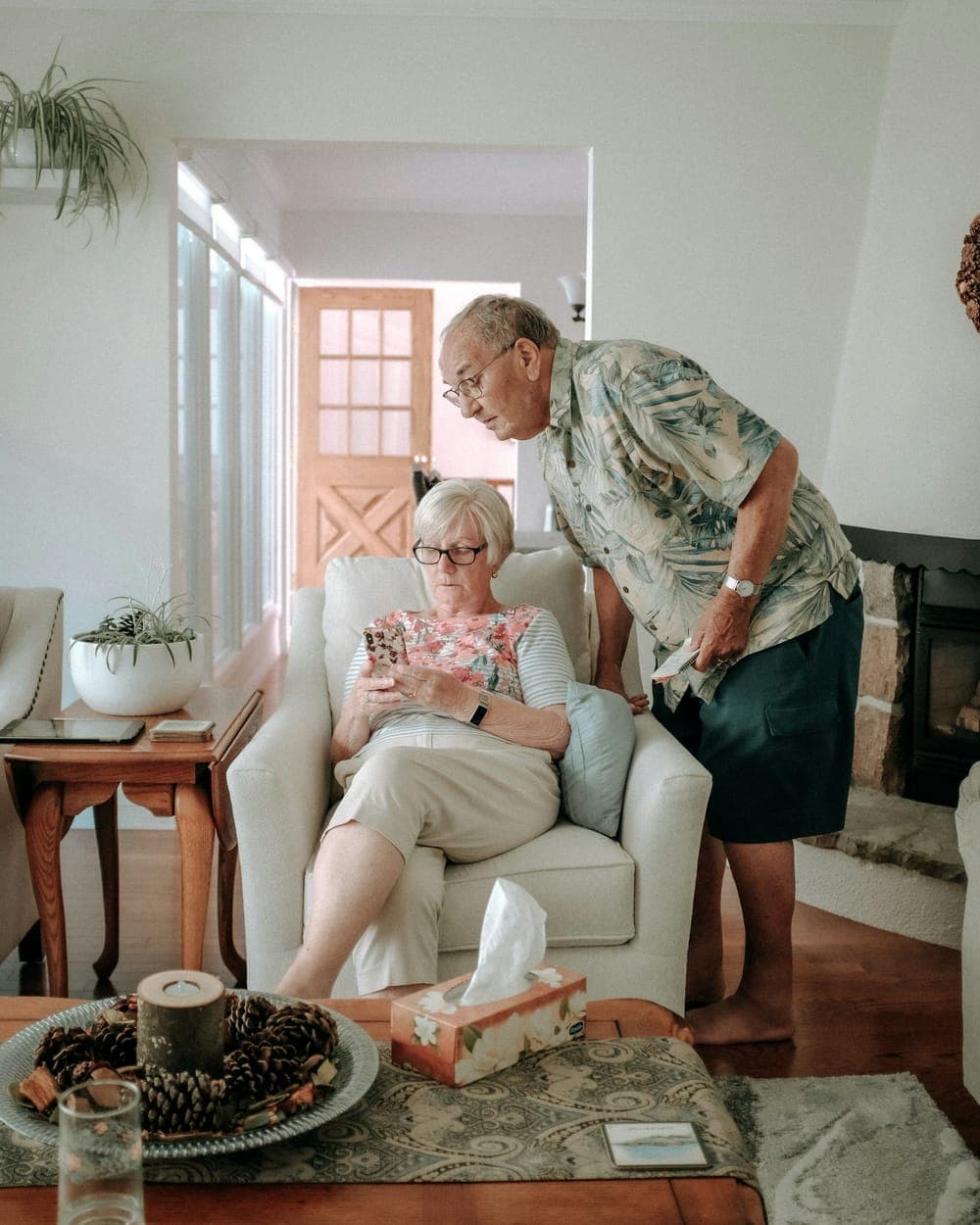
Discharge often happens faster than families expect, and the gap between leaving the ward and being genuinely safe at home can be several weeks wide.
Those weeks matter. Readmission usually comes down to ordinary things: a missed tablet, not enough food, a slip in the bathroom, or simply not moving because moving feels frightening.
A live-in carer covers that period properly — days and nights — and steps back as recovery takes hold. Many placements end because they are no longer needed, which is exactly how it should be.
The detail that matters
What this looks like in practice
Arranged quickly
Call us as soon as a discharge date is mentioned, or even before. We can often start within a few days.
Medication kept straight
Hospital discharge usually comes with new prescriptions and changed doses. A carer keeps records and flags anything that looks wrong.
Moving safely
Support with the exercises the physiotherapist left behind, and a steady arm for the stairs until they stop feeling like a cliff.
Eating and drinking properly
Appetite often disappears after a hospital stay. Regular cooked food does more for recovery than almost anything else.
Getting to follow-ups
Outpatient appointments, the GP, the dressing clinic — including the journey and the waiting room.
Short-term by design
Usually two to six weeks. We will tell you honestly when we think it can safely stop.
From first phone call to first morning
How it works
01Talk to usAn informal conversation. No forms, no commitment.
Most people call before they are ready to decide anything. Tell us what has been happening and we will tell you honestly whether live-in care is likely to help — including when we think something else would suit better.
02Free care consultationWe come to the house and listen properly.
We spend time understanding the day as it actually is: routines, sleep, medication, mobility, the house itself, what is still managed independently, and what the family is quietly picking up. It usually takes an hour or two, and it costs nothing.
03Find the right carerMatched on personality and lifestyle, not just availability.
We look for someone who fits the household — their pace, their interests, their food, their language, their sense of humour. You meet the carer before anything is agreed, and if the fit is not right, we keep looking.
04Care beginsA gentle start, then regular reviews.
The first days are introduced carefully, often with an overlap so nothing is lost in handover. We review the plan in the first fortnight and at regular intervals after that, because needs change and the plan should change with them.
01Talk to us
Most people call before they are ready to decide anything. Tell us what has been happening and we will tell you honestly whether live-in care is likely to help — including when we think something else would suit better.
The consultation is free, takes an hour or two, and commits you to nothing at all.
We also support
Older people
Help with the parts of the day that have become harder, so the rest can carry on as normal.
Find out more
Dementia care
Familiar surroundings, steady routines and a carer trained in memory loss.
Find out more
Respite care
Short-term cover so the family carer can rest, travel or recover.
Find out more
Straight answers
Questions families ask
Can care start on the day of discharge?
Often yes, if we have a few days' notice. It helps if we can speak to you before the discharge date so we know what support has been recommended.
Do you work with hospital discharge teams?
Yes. We are happy to speak to the discharge coordinator, the community therapy team or the district nurses, with your permission.
Let's talk about what your family needs.
One conversation, no pressure, and an honest view of whether live-in care would help. If we think something else would suit you better, we will tell you.
or call 0800 000 0000Monday to Friday, 8am – 6pm