
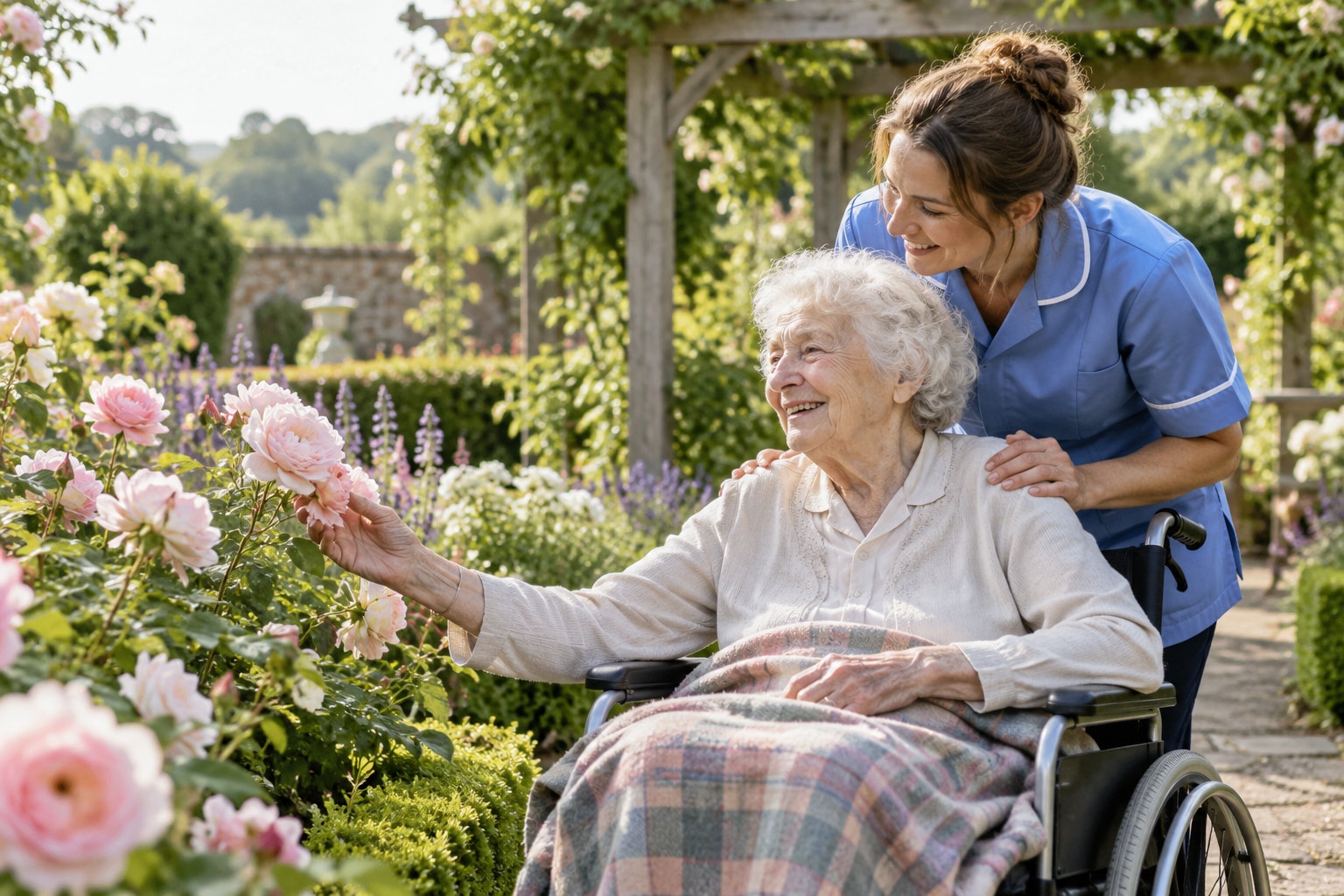
Live well.
Stay home.
Personalised live-in care that helps you or your loved one remain safe, independent and comfortable in the place that matters most — home.
Or call 0800 000 0000 · Monday to Friday, 8am – 6pm
Live-in care across Kingston upon Thames, New Malden, Surbiton and the wider South West London and Surrey area.
- Free consultationNo cost and no obligation
- Carefully matchedOne carer, chosen for your household
- Families kept informedRegular, honest updates
- Local teamSouth West London and Surrey
Our care services
Live-in care, shaped around the person
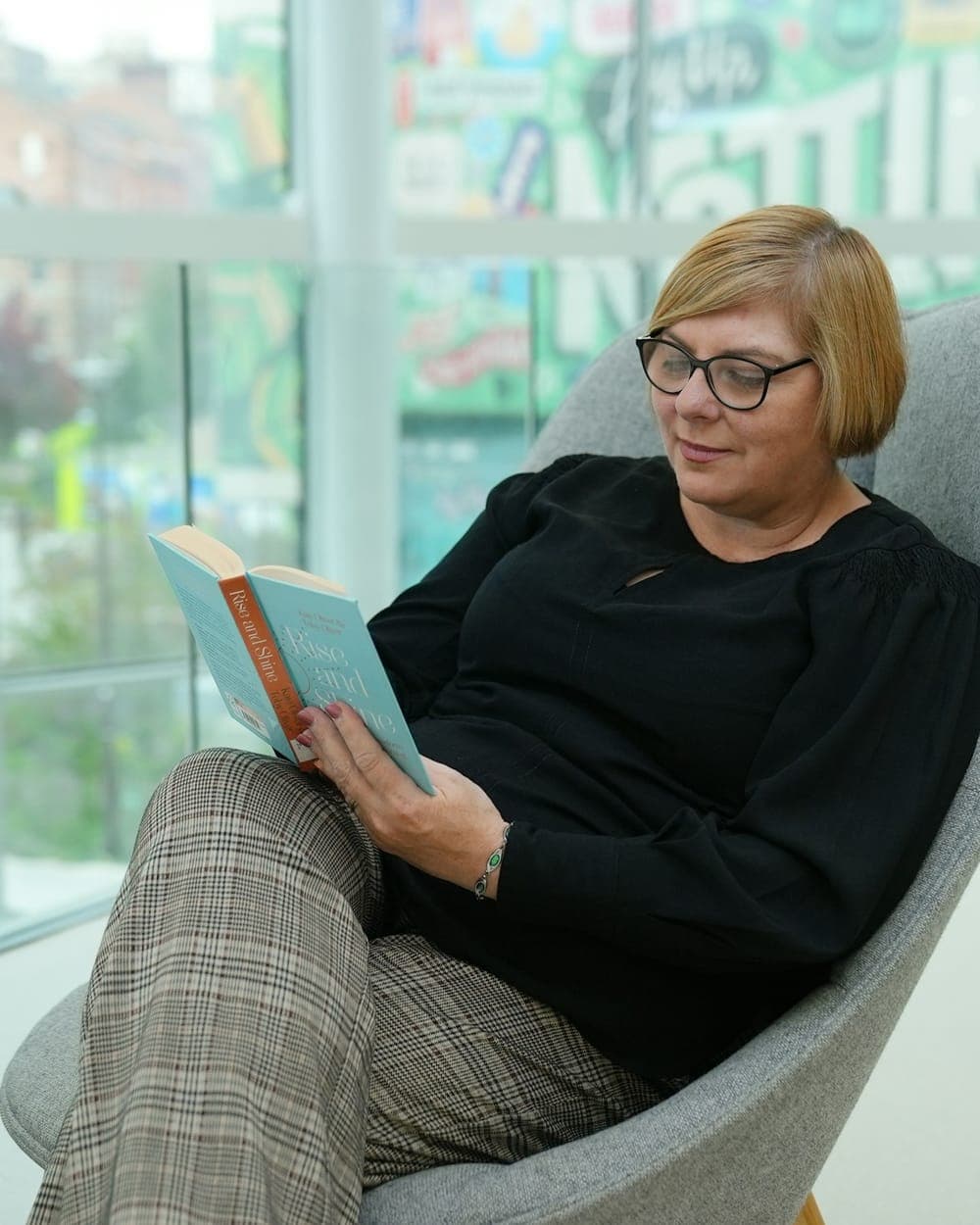
Older people
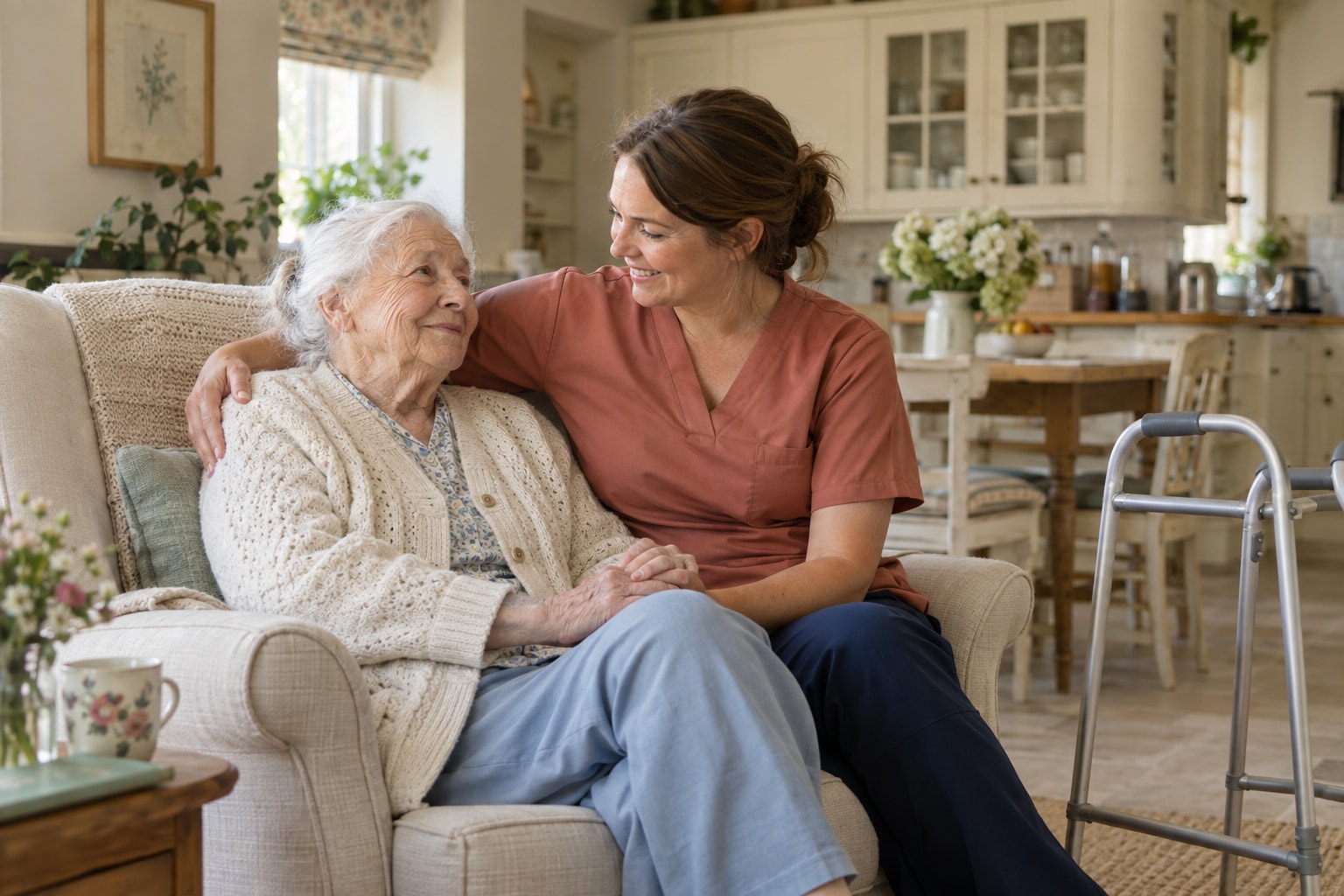
Help with the parts of the day that have become harder, so the rest can carry on as normal.
Find out more
Dementia care
Familiar surroundings, steady routines and a carer trained in memory loss.
Find out more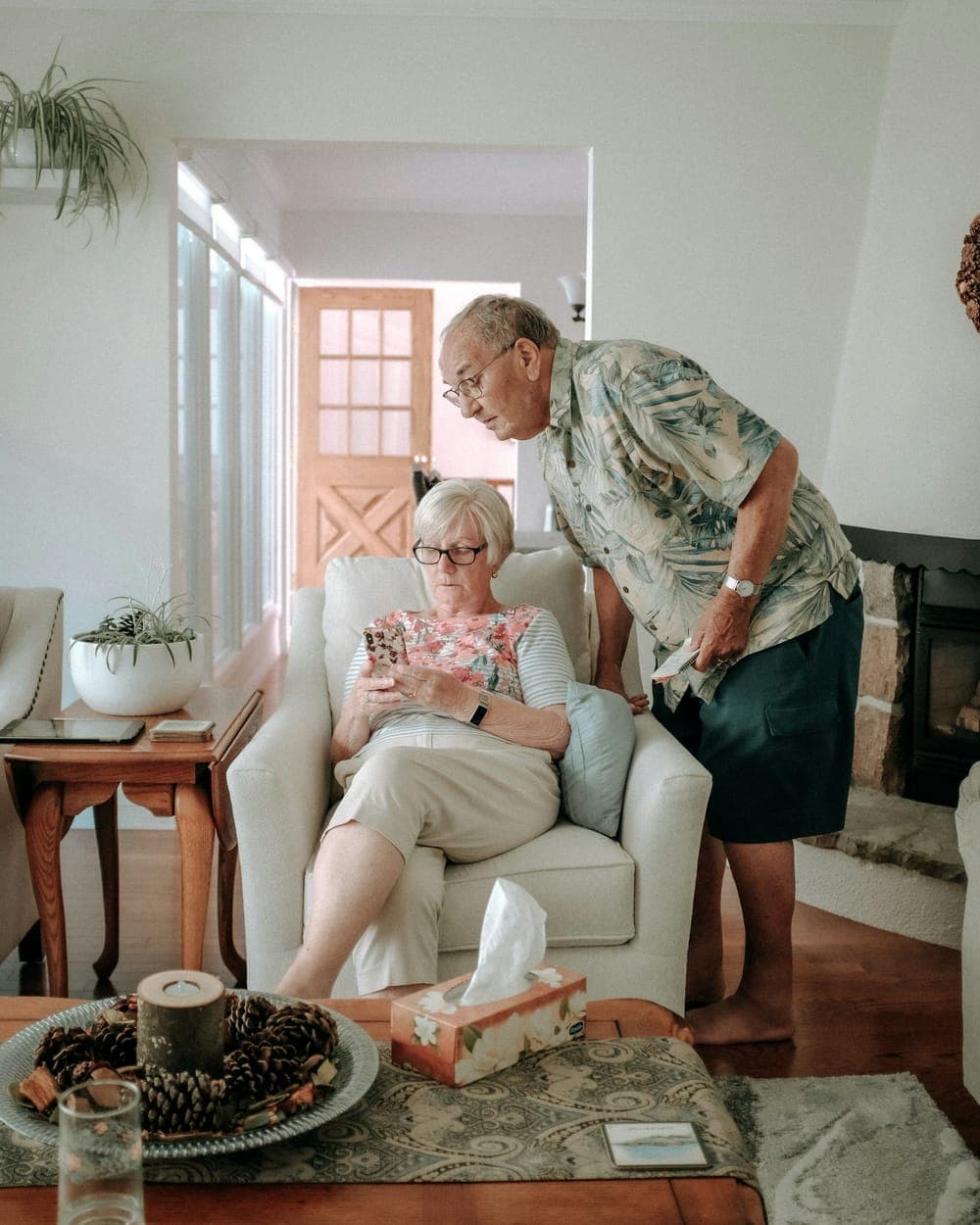
Hospital to home
Support through the weeks after a discharge, when confidence takes time to return.
Find out more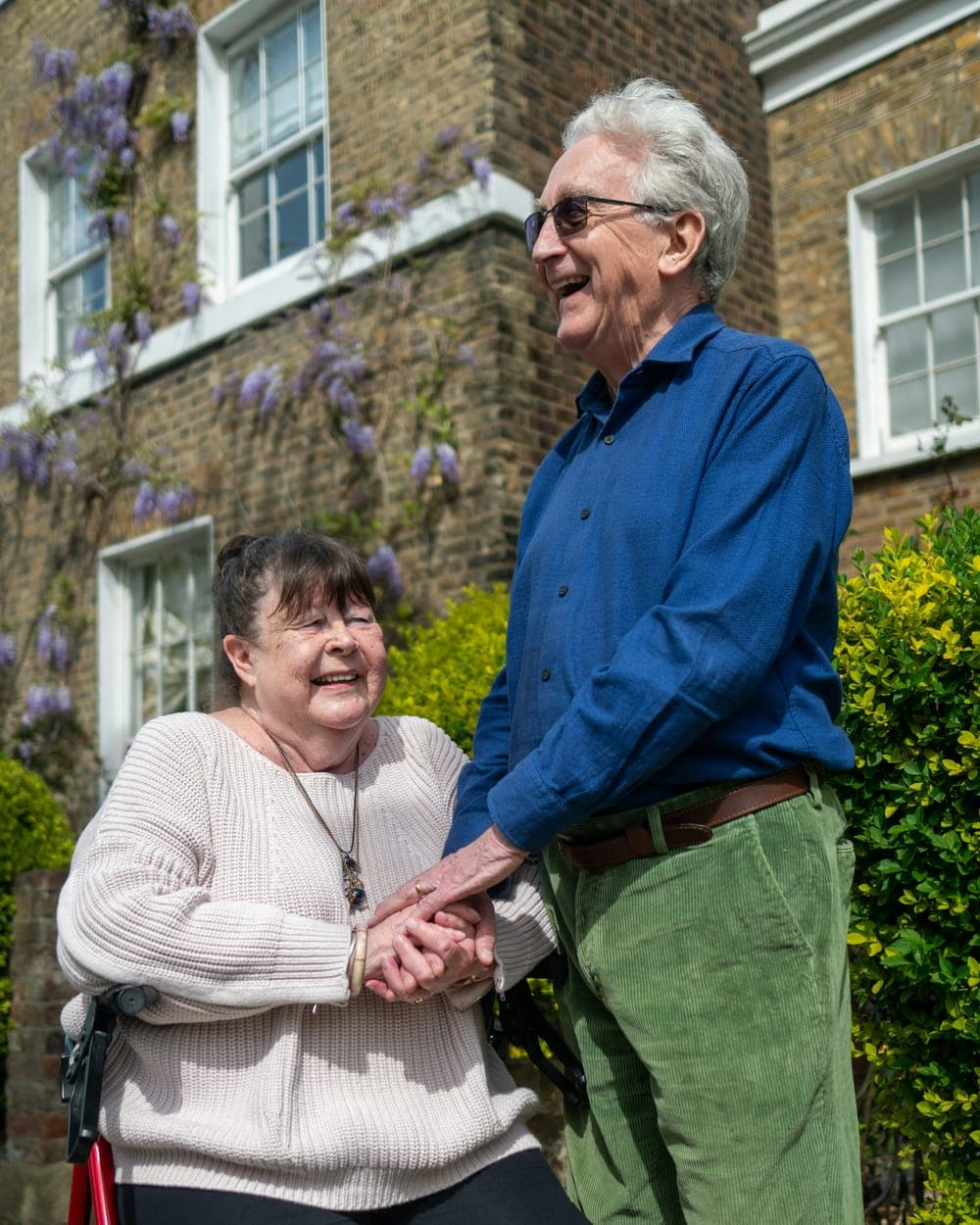
Respite care
Short-term cover so the family carer can rest, travel or recover.
Find out more
Couples care
One carer supporting two people, so a long marriage is not divided by a care decision.
Find out more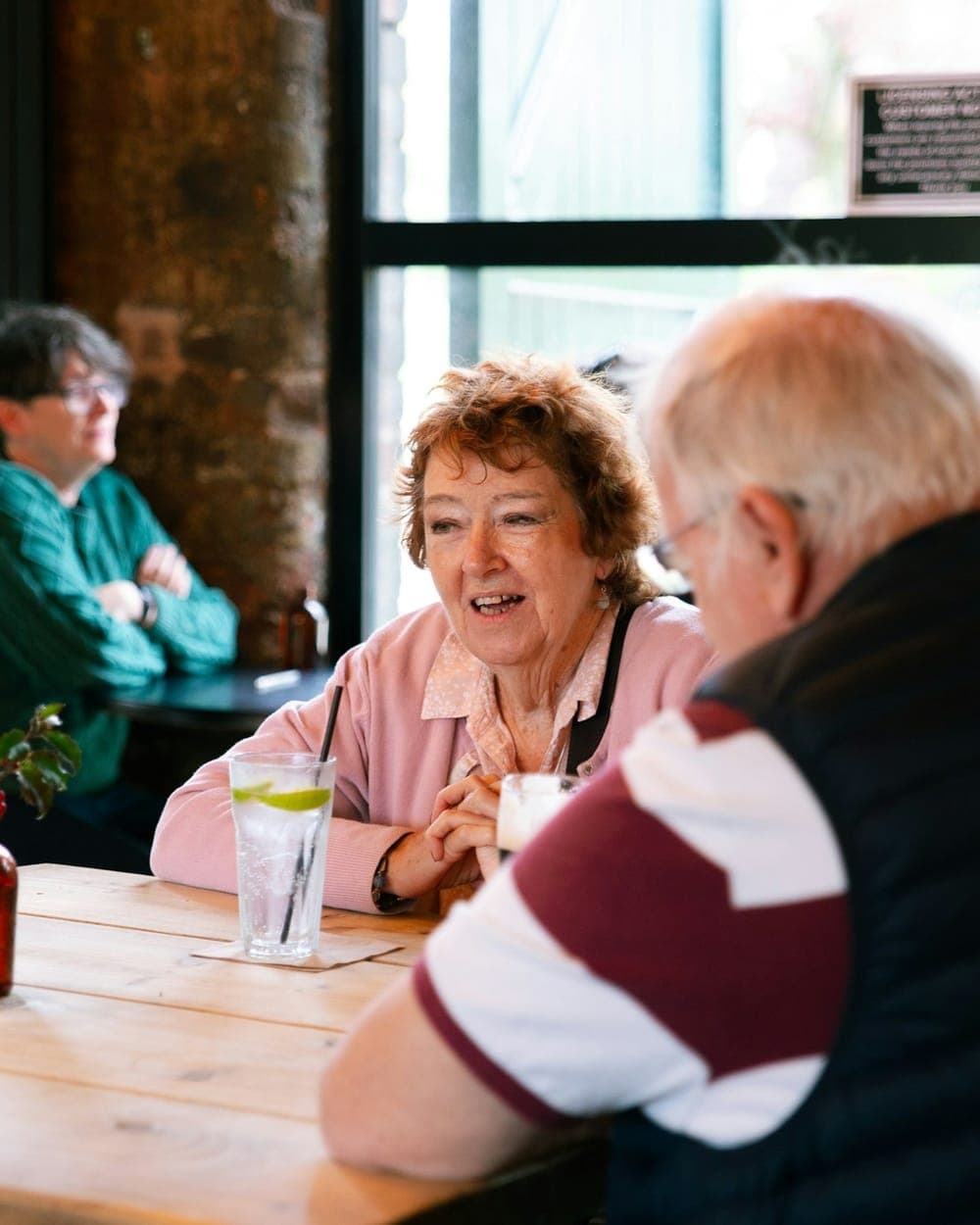
Companionship
Company, conversation and a steady hand, before anything clinical is needed.
Find out more
Why families choose us
Why families choose AnnMarie’s Care
Familiar faces
A rota of strangers is the thing families dread. We build placements around consistency, with the same carer and a named second carer who already knows the household.
Carefully matched
We match on personality as seriously as on care needs. Someone who suits a quiet, private household is not the right person for a busy one.
Truly personal
The care plan follows the person's day, not a template. If breakfast has been at half past nine for forty years, it stays at half past nine.
Family connection
Families are kept properly informed, in whatever way suits them. We are building a family portal so you can look in on how the day went rather than waiting to be told.
Local support
We work across South West London and Surrey, so management is close by and can come out when it matters.
Backup when needed
Holidays, illness and emergencies are planned for before they happen, with cover arranged and briefed rather than found at short notice.
From first phone call to first morning
How it works
01Talk to usAn informal conversation. No forms, no commitment.
Most people call before they are ready to decide anything. Tell us what has been happening and we will tell you honestly whether live-in care is likely to help — including when we think something else would suit better.
02Free care consultationWe come to the house and listen properly.
We spend time understanding the day as it actually is: routines, sleep, medication, mobility, the house itself, what is still managed independently, and what the family is quietly picking up. It usually takes an hour or two, and it costs nothing.
03Find the right carerMatched on personality and lifestyle, not just availability.
We look for someone who fits the household — their pace, their interests, their food, their language, their sense of humour. You meet the carer before anything is agreed, and if the fit is not right, we keep looking.
04Care beginsA gentle start, then regular reviews.
The first days are introduced carefully, often with an overlap so nothing is lost in handover. We review the plan in the first fortnight and at regular intervals after that, because needs change and the plan should change with them.
01Talk to us
Most people call before they are ready to decide anything. Tell us what has been happening and we will tell you honestly whether live-in care is likely to help — including when we think something else would suit better.
The consultation is free, takes an hour or two, and commits you to nothing at all.
An honest comparison
Live-in care, or a care home?
Area
Live-in care at home
Residential care home
Where life happens
Live-in care at home
The same house, the same bed, the same view from the window.
Residential care home
A new room in a new building, with staff and neighbours to get to know.
Attention
Live-in care at home
One carer, one household. Support is one-to-one through the day.
Residential care home
A trained team on shift around the clock, shared across all residents.
Daily routine
Live-in care at home
Built entirely around the person — mealtimes, bedtimes, bath days, television.
Residential care home
A settled house routine that many people find reassuring and easy to follow.
Pets
Live-in care at home
The dog or the cat stays, and gets walked and fed as part of the day.
Residential care home
Pets are rarely possible, though some homes have visiting animals.
Family visits
Live-in care at home
Whenever you like. It is still your family's home.
Residential care home
Visiting is welcomed, usually within set hours.
Food
Live-in care at home
Cooked in the kitchen, to taste, at the usual time.
Residential care home
A varied menu prepared by catering staff, with dietary needs covered.
Independence
Live-in care at home
People keep doing what they can still do, with help only where it is needed.
Residential care home
Support is close at hand, which some people find frees them from worry.
Cost shape
Live-in care at home
One weekly fee for the household, which can work out well for couples.
Residential care home
A weekly fee per person, with extras billed separately.
Could live-in care be right for your family?
Talk to our care team. If we think a care home would suit better, we will say so.
How we work safely
The checks behind the person at the door.
Insurance certificates, training records and our safeguarding policy are available on request. If anything here is unclear, ask us — being able to check is the point of publishing it.
Read our safeguarding policyEnhanced DBS checks
Every carer holds a current enhanced DBS certificate, checked by us before any placement begins.
References taken up
Employment history and references are verified directly, not accepted at face value.
Right to work confirmed
Documents are seen and recorded for every carer we place.
Training
Induction covers safeguarding, moving and handling, medication, infection control and dementia awareness, with refreshers scheduled.
Fully insured
Public liability and employer's liability cover is held and available on request.
Regulation
CQC registration information coming soon. We will publish our registration details here as soon as they are confirmed, and we will not describe ourselves as regulated until they are.
In families' words
This is where families will speak
Client testimonial will appear here.
NameDaughter of client, Kingston upon Thames Client testimonial will appear here.
NameSon of client, Wimbledon Client testimonial will appear here.
NameClient, Surbiton
Straight answers
Questions families ask
What does a live-in carer actually do?
They support the parts of the day that have become difficult: getting up, washing and dressing, medication, cooking, shopping, appointments, moving around safely, light housekeeping and company. They are also in the house overnight. They do not take over the things a person can still manage themselves.
Does the carer need their own room?
Yes. A private bedroom and access to a bathroom and kitchen. It does not need to be a large room, but it does need to be their own space, because they live there.
What happens at night?
A live-in carer sleeps in the house and is available if they are needed. If someone needs regular help through the night, that is a waking-night arrangement and we would talk to you about a second carer, because one person cannot work day and night safely.
Do carers get time off?
They do — a daily break of around two hours, and time off each week. We arrange cover for those periods so there is never a gap you have to fill.
How quickly can care start?
For a planned arrangement, usually within a week to ten days. In an urgent situation, such as a hospital discharge, it can be quicker. We would rather tell you honestly what is realistic than promise a date we cannot meet.
What if we do not get on with the carer?
Tell us. Matching is not an exact science and occasionally a pairing simply does not work. We will look again, and we will not make you feel awkward about asking.
Is live-in care only for elderly people?
No. Most of the people we support are older, but live-in care also suits younger adults with physical disabilities, people recovering from serious illness, and people who need support for a defined period rather than permanently.
Let's talk about what your family needs.
One conversation, no pressure, and an honest view of whether live-in care would help. If we think something else would suit you better, we will tell you.
or call 0800 000 0000Monday to Friday, 8am – 6pm