
Before anything clinical
The days are long when nobody knocks.
Company, conversation and a steady hand around the house — for people who are managing, but managing alone.
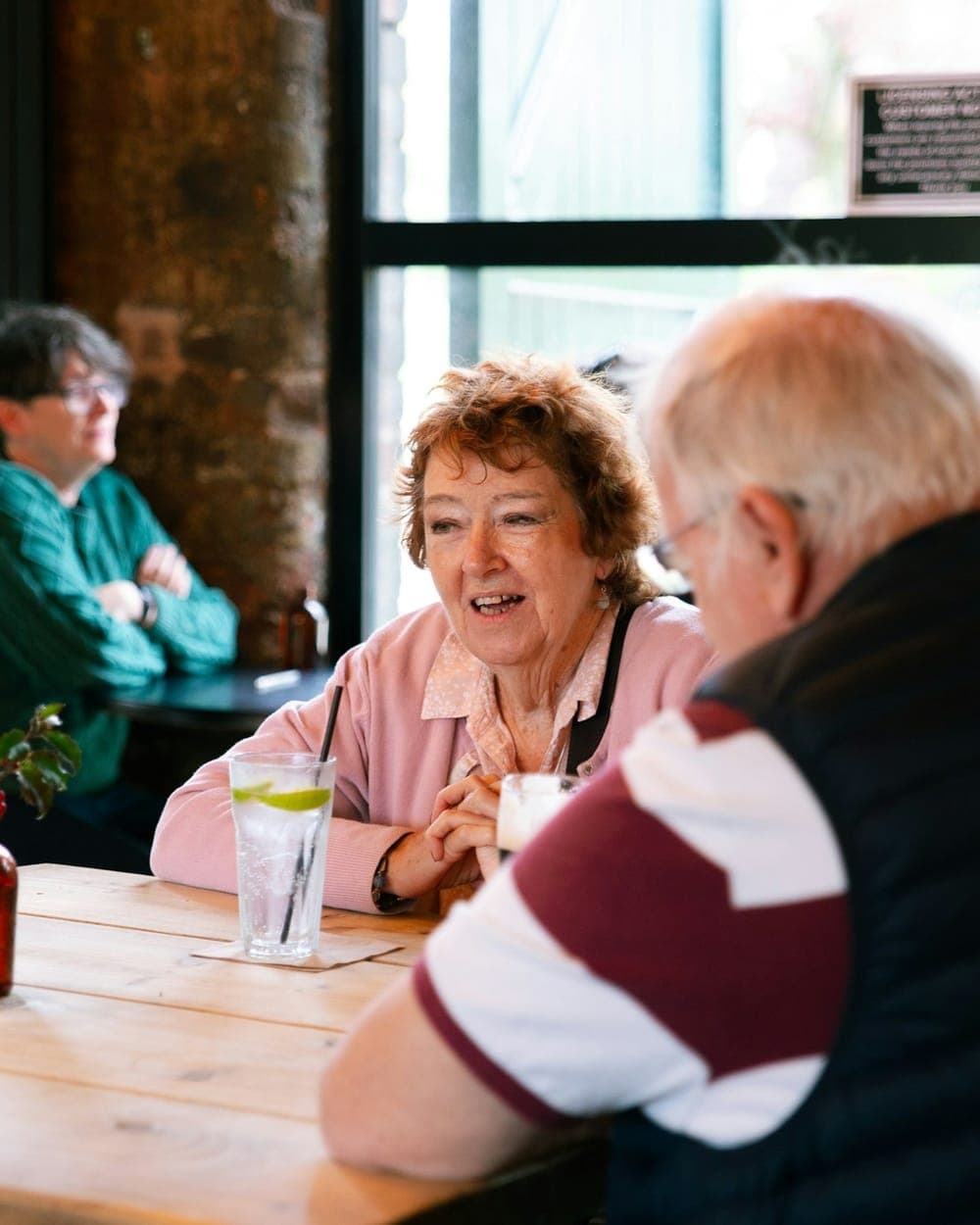
Not everyone who needs someone in the house needs personal care. A great many people are physically well and simply on their own far too much.
Loneliness is not a soft problem. It shows up as missed meals, stopped hobbies, a gradual withdrawal from going out, and a decline that families find hard to name.
Companionship care is the gentlest version of what we do: someone in the house, someone to eat with, and someone to make the outside world feel reachable again.
The detail that matters
What this looks like in practice
Conversation, properly
Meals eaten together rather than alone in front of the television. It sounds small and it is not.
Getting out again
The shops, the library, church, the bowls club, the cemetery on a Sunday. Whatever had stopped.
Hobbies picked back up
The garden, cards, baking, crosswords, knitting, the radio programmes that mattered.
Keeping in touch
Help with the telephone, video calls to grandchildren, letters and birthday cards that get sent on time.
A quiet eye on things
Someone who will notice appetite dropping or a new unsteadiness, and tell you before it becomes a fall.
It can grow
If more support becomes necessary later, the same carer can usually provide it. No new faces at a difficult moment.
From first phone call to first morning
How it works
01Talk to usAn informal conversation. No forms, no commitment.
Most people call before they are ready to decide anything. Tell us what has been happening and we will tell you honestly whether live-in care is likely to help — including when we think something else would suit better.
02Free care consultationWe come to the house and listen properly.
We spend time understanding the day as it actually is: routines, sleep, medication, mobility, the house itself, what is still managed independently, and what the family is quietly picking up. It usually takes an hour or two, and it costs nothing.
03Find the right carerMatched on personality and lifestyle, not just availability.
We look for someone who fits the household — their pace, their interests, their food, their language, their sense of humour. You meet the carer before anything is agreed, and if the fit is not right, we keep looking.
04Care beginsA gentle start, then regular reviews.
The first days are introduced carefully, often with an overlap so nothing is lost in handover. We review the plan in the first fortnight and at regular intervals after that, because needs change and the plan should change with them.
01Talk to us
Most people call before they are ready to decide anything. Tell us what has been happening and we will tell you honestly whether live-in care is likely to help — including when we think something else would suit better.
The consultation is free, takes an hour or two, and commits you to nothing at all.
We also support

Older people
Help with the parts of the day that have become harder, so the rest can carry on as normal.
Find out more
Dementia care
Familiar surroundings, steady routines and a carer trained in memory loss.
Find out more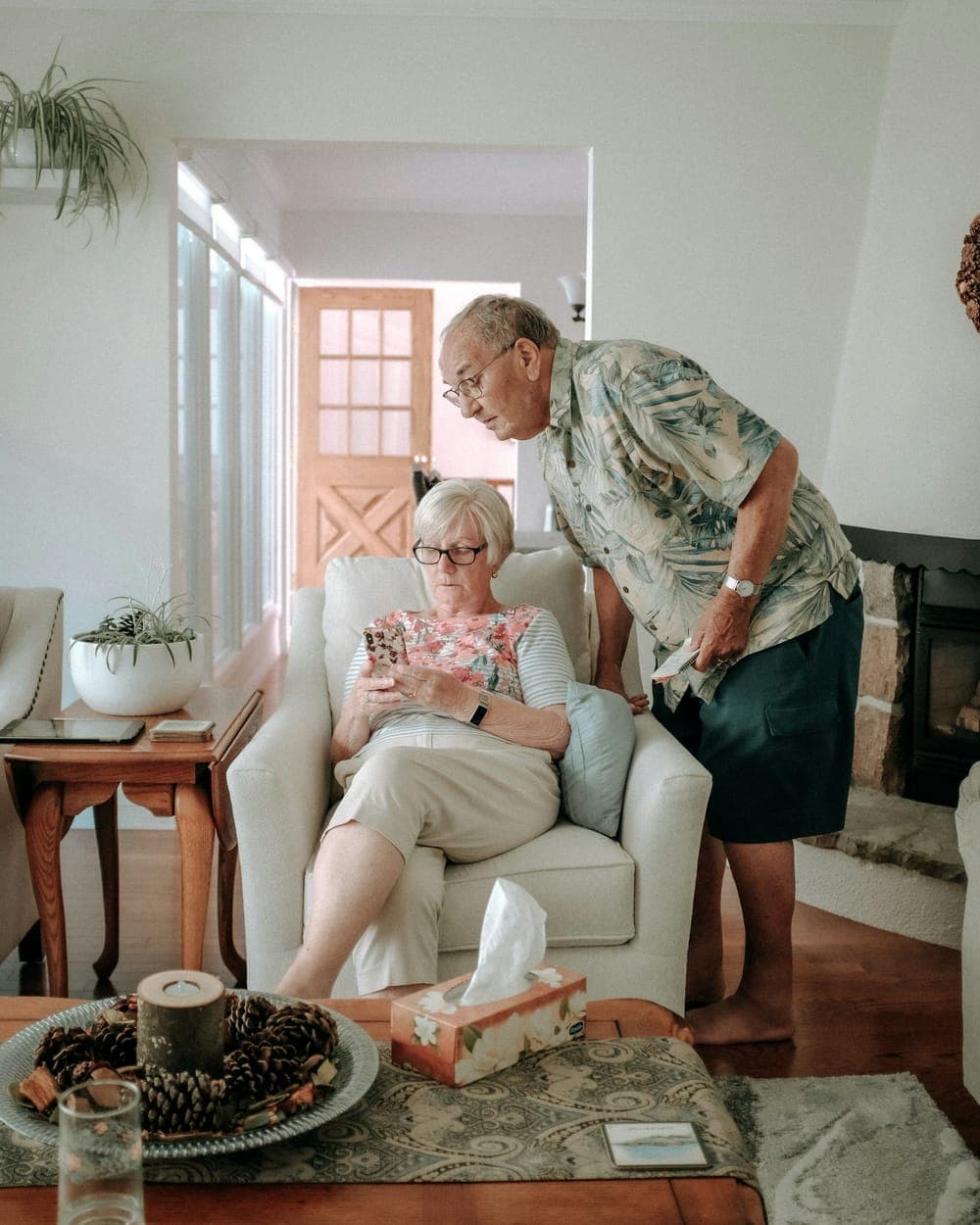
Hospital to home
Support through the weeks after a discharge, when confidence takes time to return.
Find out more
Straight answers
Questions families ask
Is companionship care a real service or just a friendly visit?
It is a full live-in arrangement with a trained carer. The emphasis is on company, occupation and help around the house rather than personal care, but the carer is qualified to do more if needs change.
Let's talk about what your family needs.
One conversation, no pressure, and an honest view of whether live-in care would help. If we think something else would suit you better, we will tell you.
or call 0800 000 0000Monday to Friday, 8am – 6pm