
Living with memory loss
The same rooms. The same rhythms. Someone who understands.
For many people living with dementia, staying somewhere familiar makes the day easier. Live-in care keeps the surroundings the same and puts a trained, steady person alongside.

A move is hard for anyone. When someone is living with dementia, an unfamiliar building, an unfamiliar bathroom and unfamiliar faces can make confusion and distress noticeably worse.
Home already does a lot of quiet work. The route to the kitchen is known. The chair is the right chair. The photographs on the wall prompt conversation without anyone having to start it.
Our carers are trained in dementia support and matched with attention to temperament: patience, a calm voice, and the sense to step back when stepping back is the right thing.
The detail that matters
What this looks like in practice
Routine held gently
The same order to the morning, the same mealtimes, the same walk. Predictability lowers anxiety more reliably than almost anything else.
Fewer new faces
Consistency of carer matters more in dementia than in any other kind of care, because every new person is a new adjustment.
Meaningful days
Folding washing, peeling potatoes, sorting photographs, the garden, music from the right decade. Occupation, not entertainment.
Support at difficult times of day
Late afternoon is often harder. A carer who knows the pattern can plan around it rather than react to it.
Practical safety
Doors, the cooker, the stairs, night-time wandering — managed discreetly, without turning the house into a hospital.
Family kept in the picture
Regular updates on how the weeks are going, including the difficult parts. You should never find out late.
A note on what we do not claim
Care does not treat dementia and we will never suggest otherwise. What good care can do is reduce disruption, support the person practically, and make the days calmer for everyone in the household.
Diagnosis, medication and clinical decisions belong with the GP and the memory service. We work alongside them, and we are happy to be part of those conversations if that helps you.
From first phone call to first morning
How it works
01Talk to usAn informal conversation. No forms, no commitment.
Most people call before they are ready to decide anything. Tell us what has been happening and we will tell you honestly whether live-in care is likely to help — including when we think something else would suit better.
02Free care consultationWe come to the house and listen properly.
We spend time understanding the day as it actually is: routines, sleep, medication, mobility, the house itself, what is still managed independently, and what the family is quietly picking up. It usually takes an hour or two, and it costs nothing.
03Find the right carerMatched on personality and lifestyle, not just availability.
We look for someone who fits the household — their pace, their interests, their food, their language, their sense of humour. You meet the carer before anything is agreed, and if the fit is not right, we keep looking.
04Care beginsA gentle start, then regular reviews.
The first days are introduced carefully, often with an overlap so nothing is lost in handover. We review the plan in the first fortnight and at regular intervals after that, because needs change and the plan should change with them.
01Talk to us
Most people call before they are ready to decide anything. Tell us what has been happening and we will tell you honestly whether live-in care is likely to help — including when we think something else would suit better.
The consultation is free, takes an hour or two, and commits you to nothing at all.
We also support
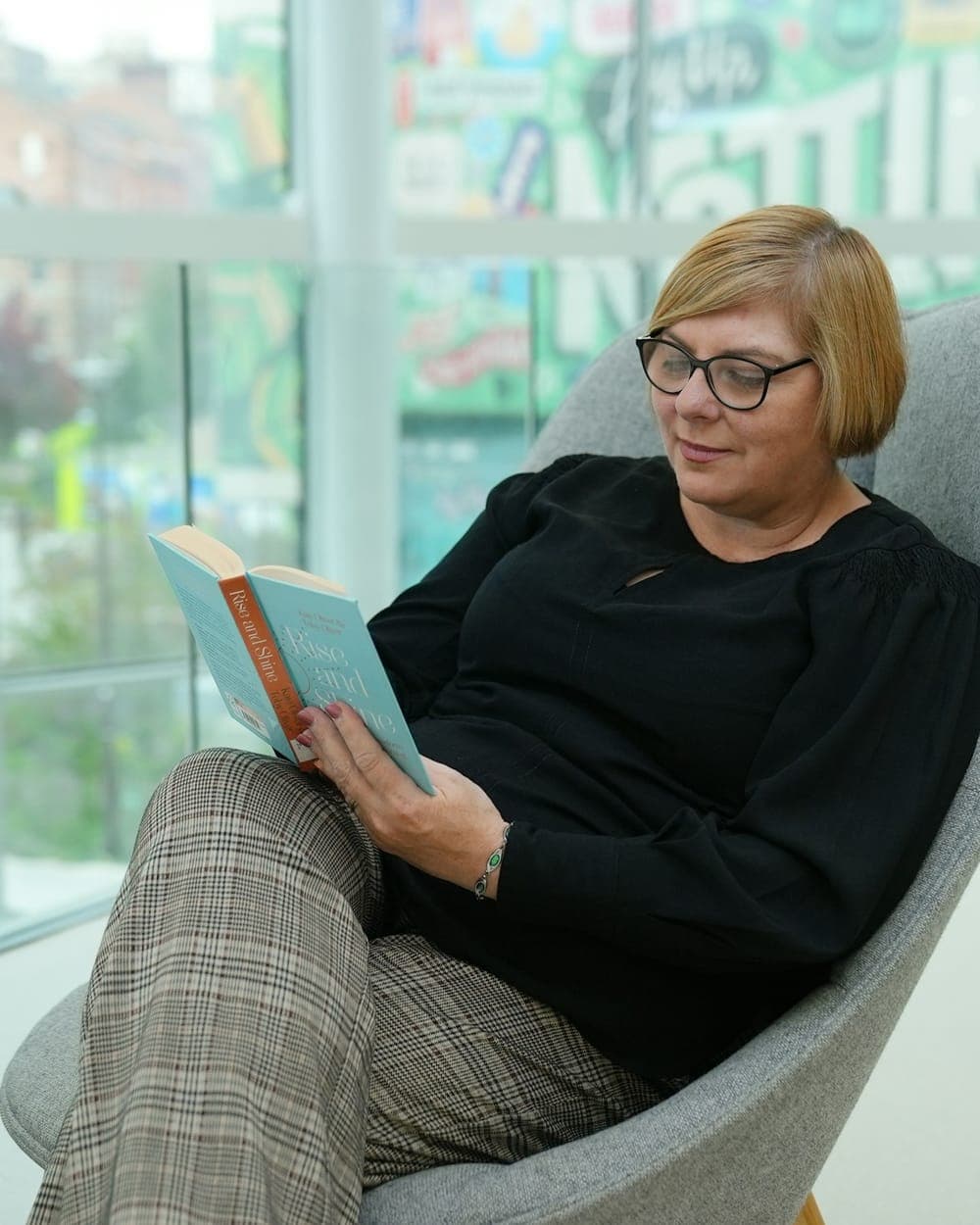
Older people
Help with the parts of the day that have become harder, so the rest can carry on as normal.
Find out more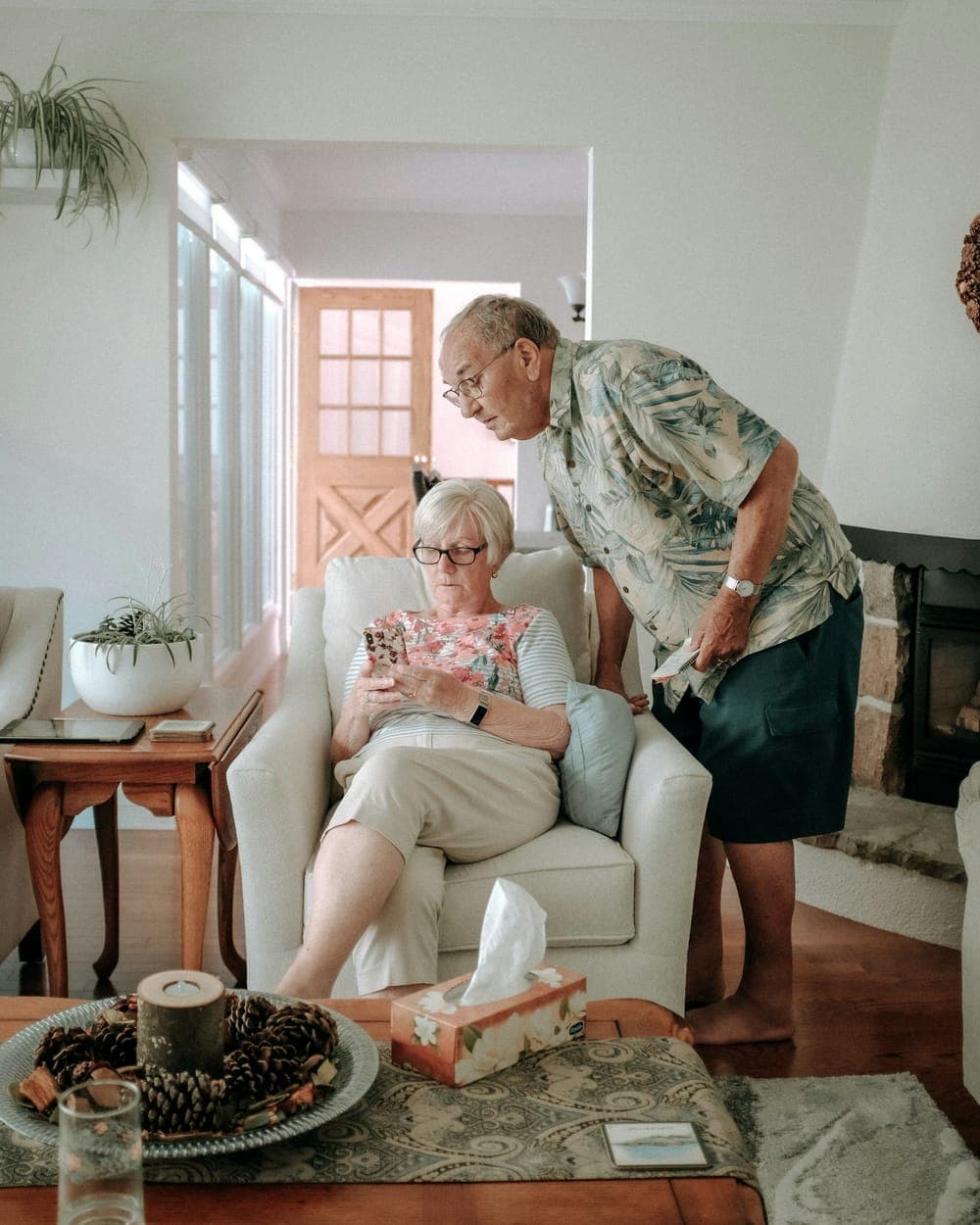
Hospital to home
Support through the weeks after a discharge, when confidence takes time to return.
Find out more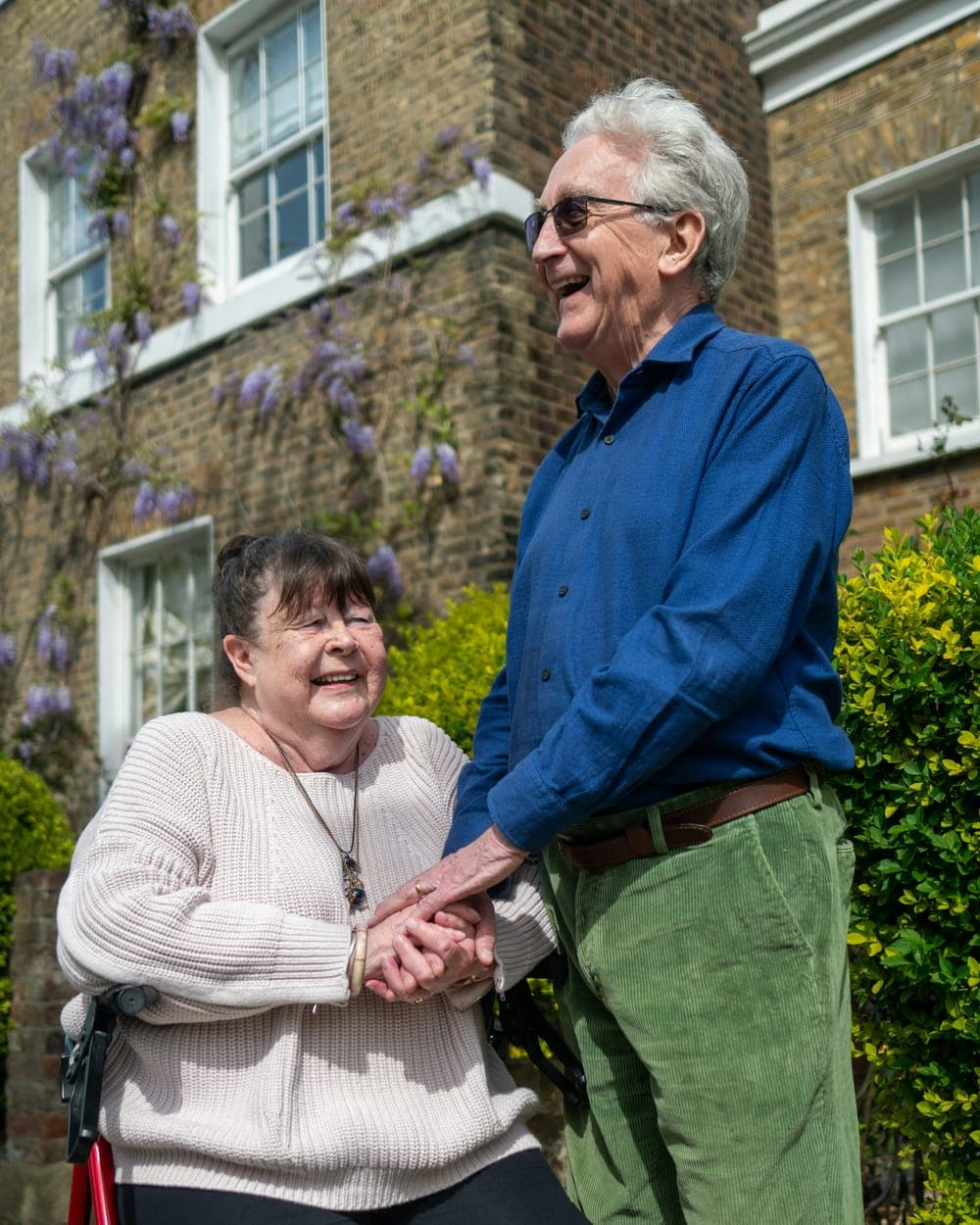
Respite care
Short-term cover so the family carer can rest, travel or recover.
Find out more
Straight answers
Questions families ask
Is home always better than a care home for dementia?
No, and anyone who tells you otherwise is selling something. Familiar surroundings help a great many people, but a specialist residential setting is the right answer for some families, particularly where needs are very high or the house cannot be made safe. We will give you our honest view.
Are your carers trained in dementia care?
Yes. Dementia awareness is part of induction for every carer, and carers placed with someone living with dementia have specific training in communication, routine and managing distress. Training records are available to you.
What if my mother does not think she needs help?
That is extremely common, and it is one of the advantages of live-in care over a move. Support can be introduced gradually and framed as company or help around the house. We take the introduction slowly and follow the family's lead on how it is described.
What happens if things get worse?
We review the plan regularly and talk to you early rather than late. That might mean additional hours, a second carer, or a frank conversation about whether home is still the right place. You will not be the last to know.
Let's talk about what your family needs.
One conversation, no pressure, and an honest view of whether live-in care would help. If we think something else would suit you better, we will tell you.
or call 0800 000 0000Monday to Friday, 8am – 6pm